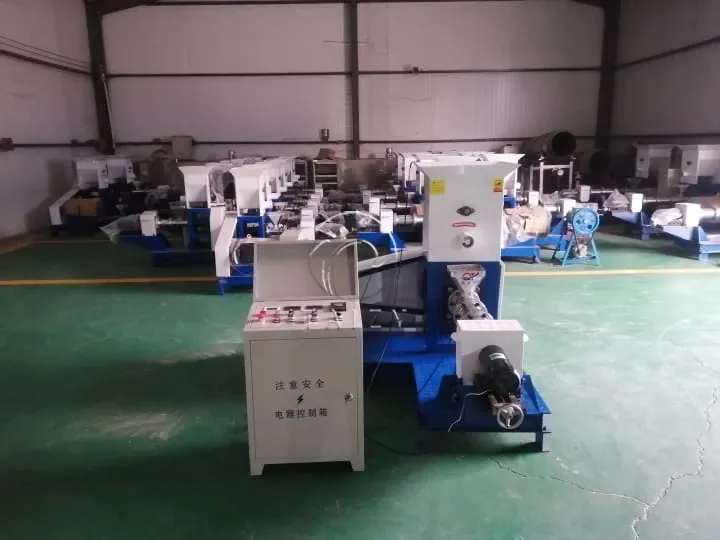
Mozambican Client Purchases DGP-45 Fish Feed Pellet Machine for In-House Feed Production
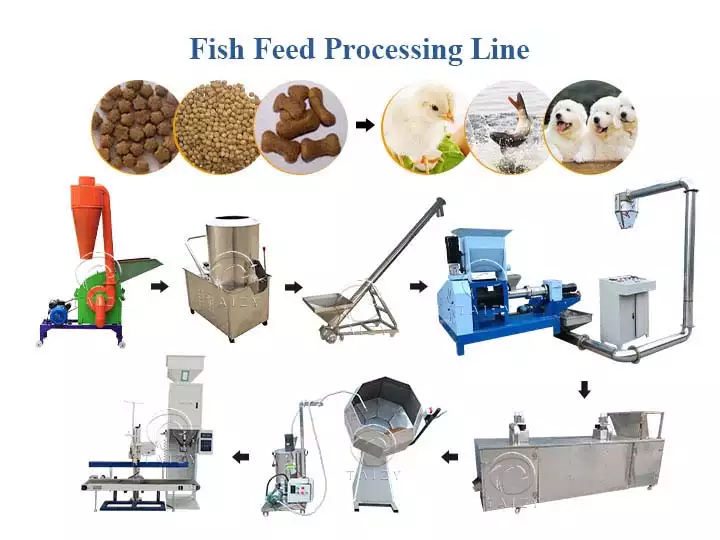
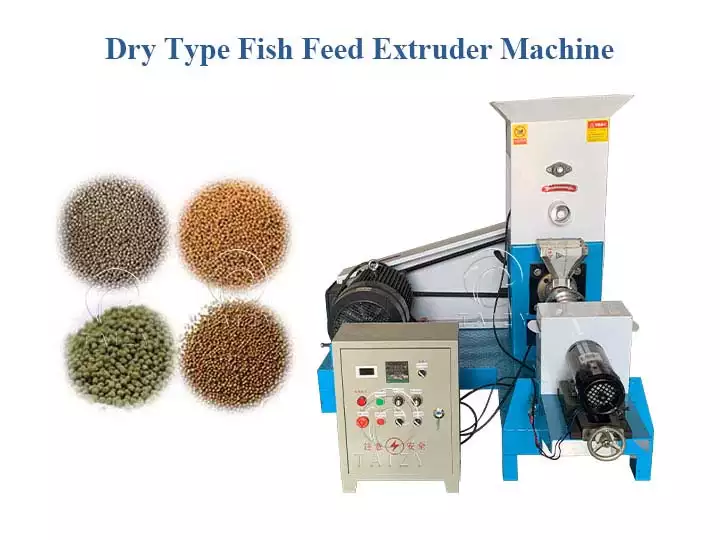
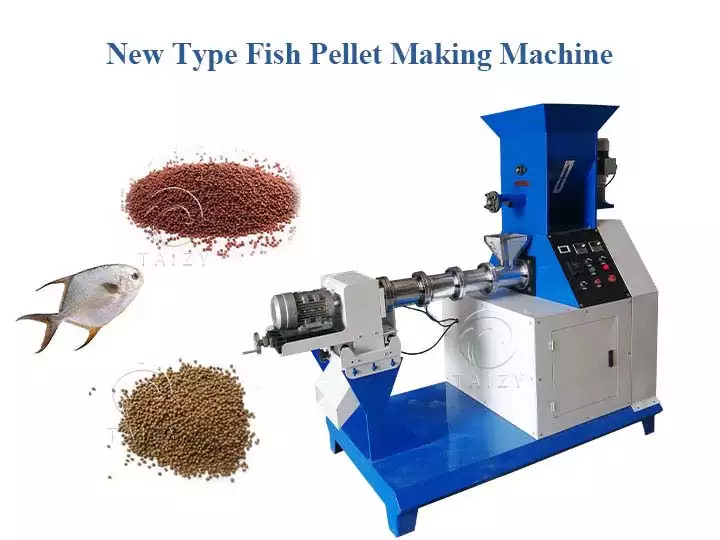
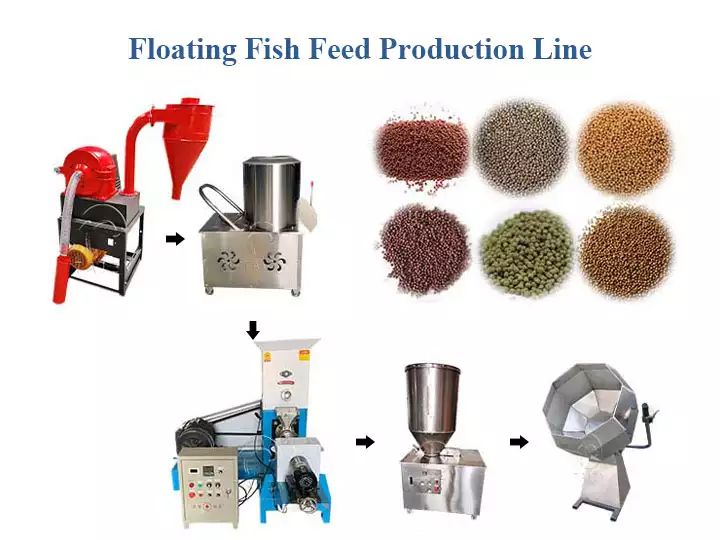
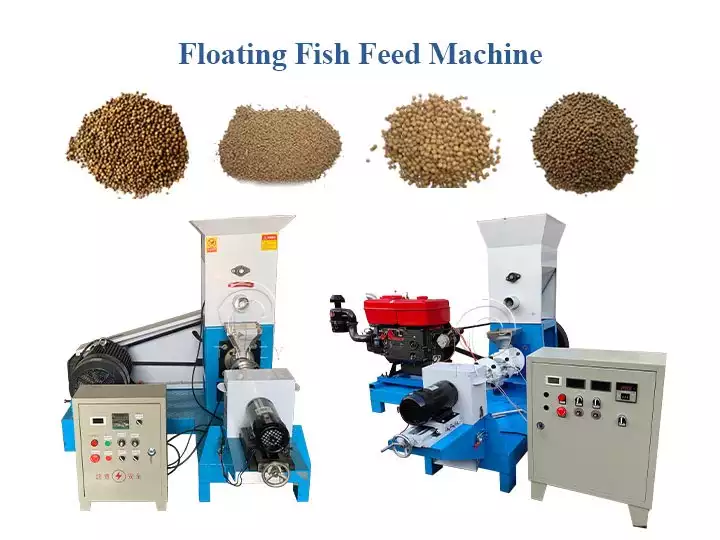
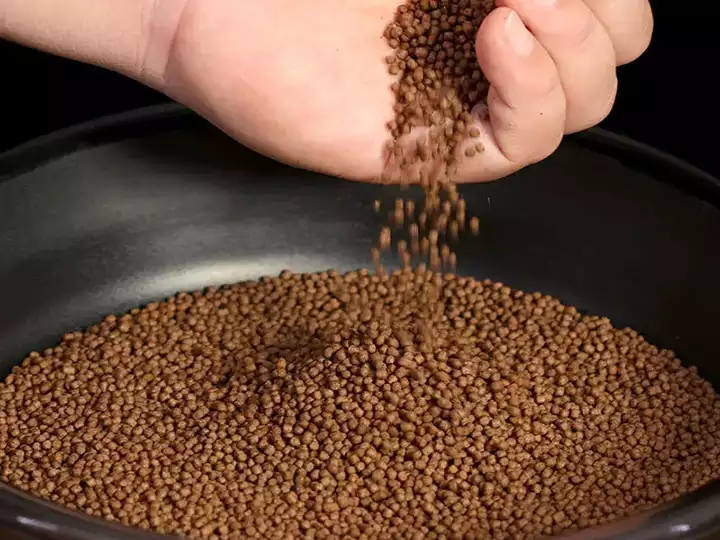
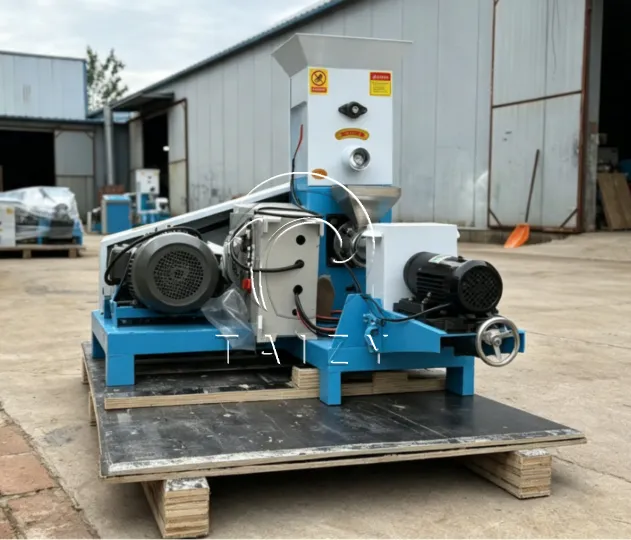
In Mozambique, aquaculture is rapidly becoming a vital sector for food security and economic growth. One such entrepreneur, a tilapia farmer from the Maputo province, recently invested in a DGP-45 fish feed pellet machine from Taizy Machinery to produce floating fish feed pellets for his 3 small ponds.
Client Background: Tilapia Farming in Mozambique
Our client has been farming tilapia for 5 years in the Maputo province. With 3 earthen ponds producing approximately 2 tons of fish annually, he was spending over $3,500 per year on commercial floating feed pellets.
Recognizing an opportunity to reduce costs and improve feed quality, he began researching in-house feed production solutions online and discovered Taizy Machinery.
Key Challenges Facing the Client
- High feed costs: Commercial floating feed was consuming 70% of his annual farming budget
- Inconsistent feed quality: Imported feeds sometimes arrived damaged or with uncertain nutritional content
- Limited local supply: Reliable feed suppliers were scarce in rural Mozambique, leading to supply delays
- Desire for control: Wanting full control over feed ingredients and production quality for his tilapia stock
Why the DGP-45 Fish Feed Pellet Machine Was the Right Choice
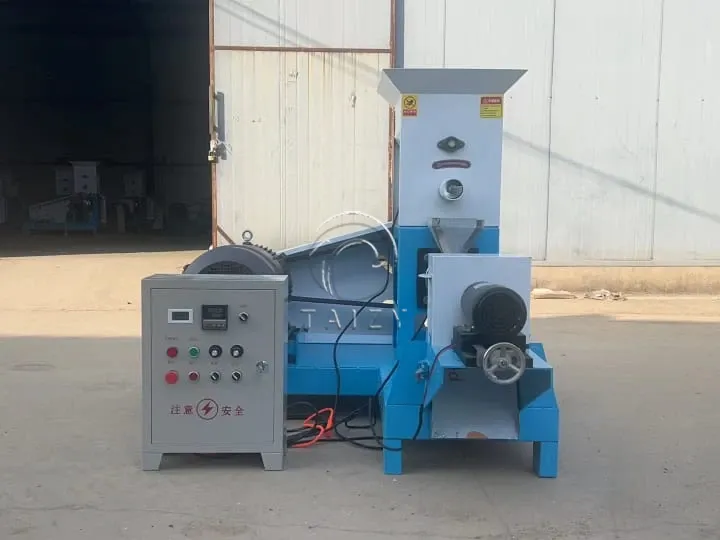
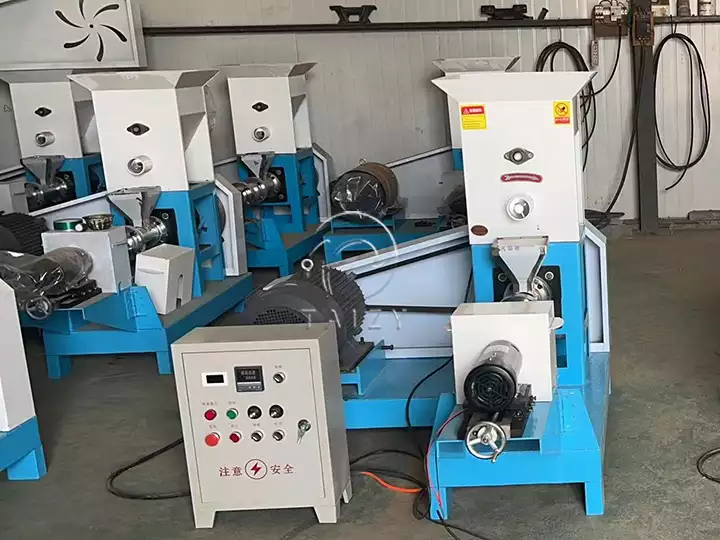
After extensive research and consultation with our sales team, our client selected the DGP-45 Mashine ya kulisha samaki for several compelling reasons. Let’s break down the decision-making process.
- Production Capacity Match
- 40-50 kg/h capacity, which translates to approximately 320-400 kg of feed per 8-hour working day.
- For his 2-ton annual tilapia production, this capacity provides a comfortable buffer — he only needs about 150 kg of feed daily, meaning the machine can handle peak demand with room to spare.
- Power and Energy Efficiency
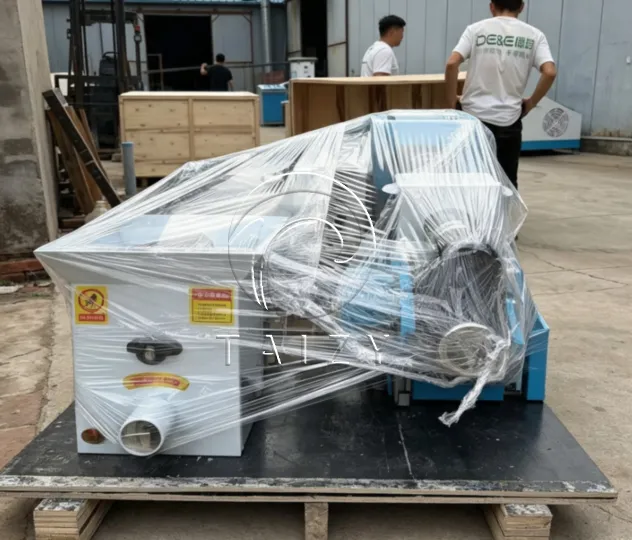
- With 7.5 kW main motor and standard 380V three-phase power, it fits perfectly with his farm electrical setup.
- The additional 0.4 kW cutter and 0.4 kW feed supply motors ensure precise pellet cutting and consistent raw material delivery.
- Compact Footprint
- Measuring 1260 × 860 × 1250 mm and weighing only 290 kg, the DGP-45 requires minimal floor space — just 1.1 m² — making it ideal for small farm workshops.
- Versatile Production
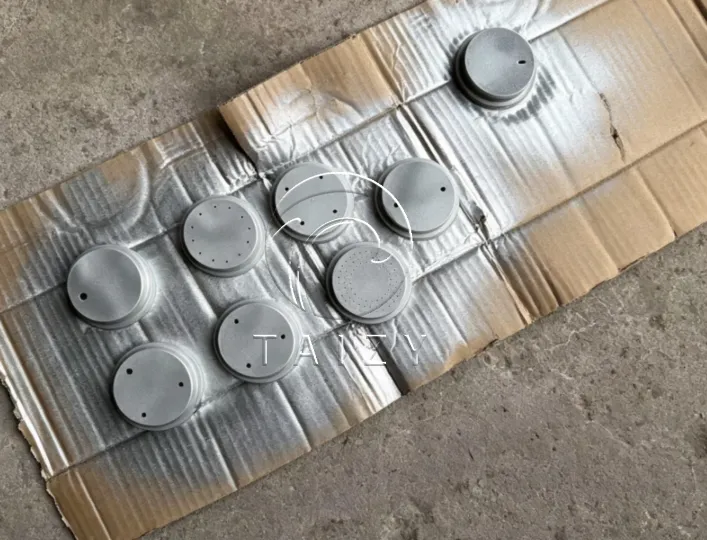
- It can produce high-quality floating pellets in sizes ranging from φ1 mm to φ6.8 mm.
- This versatility allows him to adjust feed sizes as his tilapia grow from fry to mature fish, using a single machine with interchangeable molds.
DGP-45 Fish Feed Pellet Machine Specifications
| Uainishaji | Maelezo |
|---|---|
| Mfano | DGP-45 |
| Uwezo | 40-50 kg/h (floating feed pellets) |
| Main Power | 7.5 kW (380V / 50Hz three-phase) |
| Cutter Power | 0.4 kW |
| Feed Supply Power | 0.4 kW |
| Screw Diameter | 40 mm |
| Machine Size (L×W×H) | 1260 × 860 × 1250 mm |
| Machine Weight | 290 kg |
| Pellet Sizes Available | φ1 mm – φ6.8 mm (with different molds) |
| Floating Time | Feed pellets float on water surface for 8-12 hours |
| Warranty | 1 year (manufacturer defects) |
Client Results and Cost Savings
After 3 months of operation, our customer shared impressive results with our team:
| Metric | Before (Commercial Feed) | After (DGP-45 In-House Production) | Improvement |
|---|---|---|---|
| Annual Feed Cost | $3,500/year | $1,200/year (raw materials) | 66% savings |
| Feed Quality Control | Dependent on supplier | Full control over ingredients | Complete control |
| Pellet Buoyancy | Varied (6-10 hours) | Consistent (10-12 hours) | +20-40% float time |
| Tilapia Growth Rate | Baseline | +15-20% faster growth | Improved FCR |
| Feed Conversion Ratio (FCR) | 1.8:1 | 1.5:1 | 17% improvement |
Client Testimonial
“The DGP-45 changed how I run my tilapia farm. I spent years worrying about feed supply delays and fluctuating prices. Now I produce my own floating feed every week, knowing exactly what goes into it.
My fish are healthier, growing faster, and my costs are lower than ever. The machine is simple to operate — after a 30-minute video tutorial from the Taizy team, I was producing my first batch within hours.
I highly recommend this machine to any small-scale fish farmer looking to take control of their feed production.”
— Tilapia Farmer, Maputo, Mozambique
Key Takeaways for Prospective Buyers
If you’re considering a fish feed pellet machine for your own aquaculture operation, here are the most important lessons from this Mozambique case study:
- Match capacity to your actual needs
- Consider your power infrastructure
- Local raw materials matte
- Don’t overlook training and support
- Calculate your break-even point
If you’re ready to take control of your aquaculture feed production, explore the full DGP series or contact our team for a customized quotation based on your specific production needs.